Isolation and Identification of Cyanobacteria and Its Plant Growth Promoting Efficacy using Maize Seed Germination Experiment
Cyanobacteria are valuable biofertilizers due to their ability to improve nutrient availability and stimulate plant growth. This study isolated and characterized cyanobacteria from maize rhizosphere soils across 16 maize-growing areas of Ethiopia and evaluated their plant growth promoting efficacy in a maize seed germination experiment. Read more …

Cyanobacteria are valuable biofertilizers due to their ability to improve nutrient availability and stimulate plant growth. This study investigated cyanobacterial isolates from maize rhizosphere soils collected from 16 maize-growing areas in Central, Oromia, and Southern Ethiopia. Cyanobacteria were isolated using BG-11 culture medium and characterized through morphological and biochemical analyses. A total of 132 cyanobacterial isolates were obtained and screened for nitrogen-fixing ability on nitrogen-free BG-11 medium, phosphate-solubilizing activity on Pikovskaya’s agar, and siderophore production using the Chrome Azurol S (CAS) assay. Nine isolates showing both nitrogen fixation and phosphate solubilization were further characterized. All selected isolates were positive for catalase and oxidase activities, while eight produced siderophores. The germination-promoting effects of cyanobacterial extracts were assessed using a Petri plate germination assay. Among them, isolate Tj8 recorded the highest phosphate-solubilization index (2.68). Seed germination experiments on maize varieties BH546 and BH547 revealed significantly higher germination rates in inoculated treatments than in the control. Tj8 produced the best individual performance, whereas the consortium Gt12 + Tj8 achieved the highest germination percentages. These findings suggest that selected cyanobacterial isolates have strong potential for development as eco-friendly biofertilizers for sustainable maize production.
Cyanobacteria-Biofertilizer, Nitrogen-fixation, Phosphate-solubilization, Siderophore-production, Maize-seed-germination, Sustainable-maize-production
1 Introduction
Agriculture plays a vital role in meeting the food demands of the rapidly growing global population. However, increasing dependence on chemical fertilizers and pesticides to enhance crop productivity has caused serious environmental problems, including soil degradation, water eutrophication, biodiversity loss, and air pollution (V. B. Santos et al. 2012; Godfray et al. 2010; Odegard and Voet 2014; Youssef and Eissa 2014). Consequently, sustainable agricultural practices such as organic farming and the application of biofertilizers have gained considerable attention because they improve soil health, enhance crop productivity, reduce production costs, and minimize environmental pollution (Kawalekar 2013; Megali, Glauser, and Rasmann 2014).
Cyanobacteria are photosynthetic blue-green microorganisms that have long been used as biofertilizers because of their ability to improve soil fertility through biological nitrogen fixation. Nitrogen is an essential macronutrient for plant growth, yet plants cannot directly utilize atmospheric nitrogen and instead absorb it as ammonium and nitrate ions (Santi, Bogusz, and Franche 2013). Besides nitrogen fixation, cyanobacteria produce plant growth-promoting substances such as phytohormones, vitamins, amino acids, and siderophores that enhance seed germination, root development, plant vigor, and resistance to pathogens (Tarakhovskaya, Maslov, and Shishova 2007; Tiwari, Misra, and Venturino 2017). Similar beneficial effects of algal biofertilizers have been reported in rice, where they improved seed germination, grain yield, and grain protein content (Raoof, Kaushik, and Prasanna 2006).
Maize (Zea mays L.) is one of the world’s most important cereal crops because of its high yield potential, nutritional value, and adaptability to diverse agroecological conditions (Beyranvand et al. 2013). Ethiopia is the fifth largest maize producer in Africa, with about 94% of production carried out by smallholder farmers (Mitiku and Asnakech 2016). However, maize production relies heavily on chemical fertilizers, and their continuous use has contributed to soil acidification, environmental pollution, and declining soil fertility (Atılgan et al. 2007).
Plant growth-promoting microorganisms (PGPM), including cyanobacteria, have emerged as sustainable alternatives to chemical fertilizers (Majeed et al. 2022). Cyanobacteria promote plant growth by colonizing the rhizosphere, fixing atmospheric nitrogen, solubilizing phosphate, producing phytohormones and siderophores, enhancing nutrient availability, and suppressing plant pathogens through antibiotic production and induced systemic resistance (Hashtroudi et al. 2013; N. S. S. Kumar, Sivasubramanian, and Mukund 2013; Yasmeen et al. 2020; M. S. Santos, Nogueira, and Hungria 2020).
Therefore, the present study aimed to isolate and identify cyanobacteria from maize rhizosphere soils and evaluate their plant growth-promoting potential by assessing their effects on maize seed germination.
2 Materials and method
2.1 Soil sample collection
Soil samples were collected from the 0–15 cm depth of the soil layer. To ensure representative sampling, random soil samples were collected from 16 maize fields located in Central Ethiopia, Oromia, and the Southern Ethiopia regional state during July 2024 to October 2025. The collected samples were properly labelled, placed in polyethylene bags, and transported to the microbial biotechnology laboratory of the national agricultural biotechnology research center for cyanobacterial isolation and identification.
2.2 Isolation and screening of cyanobacteria
One gram of each soil sample was inoculated into Erlenmeyer flasks containing algal culture medium and incubated at 28°C under a 12 h light/12 h dark photoperiod for 15–20 days following (Temraleeva et al. 2016). The resulting cyanobacterial colonies were examined microscopically and characterized based on their morphological features according to (Khare et al. 2014).
2.2.1 Screening of cyanobacterial isolates for phosphate solubilization potential
Cyanobacterial isolates were screened for phosphate-solubilizing ability by inoculating 0.1 mL of diluted cultures onto BG-11 agar supplemented with 0.3% tricalcium phosphate as the sole phosphorus source. Following incubation at 24 ± 2°C for 15 days, the formation of a clear halo zone around the colonies indicated phosphate-solubilizing activity (Mazhar and Hasnain 2011).
2.2.2 Screening of cyanobacterial isolates for nitrogen-fixation potential
The nitrogen-fixing ability of cyanobacterial isolates was evaluated by culturing them on nitrogen-free BG-11 medium lacking NaNO₃. Growth after 15 days of incubation was considered evidence of atmospheric nitrogen fixation, and isolates showing growth were regarded as potential nitrogen-fixing cyanobacteria. This approach is consistent with previous studies (Sekar and Subramanian 1999; Mazhar and Hasnain 2011).
2.2.3 Siderophore production
The universal Chrome Azurol S (CAS) assay was used to detect siderophore production by the microbial isolates following the standard method described by (Miethke and Marahiel 2007). The cyanobacterial isolates (Gt10, Gt12, Kt6, Kt4, Tj8, Hr2, An5, Br1, and Ab5) were spot inoculated onto CAS agar plates and incubated for 7 days. Colonies that developed an orange halo after incubation at 28 ± 2°C were considered positive for siderophore production. The diameter of the orange halo surrounding each colony was used to evaluating the extent of siderophore production.
2.2.4 Morphological and biochemical characterization of N₂ fixing and phosphate solubilizing cyanobacteria
Pure cyanobacterial cultures were grown on BG-11 agar medium and incubated at 28°C under a 12 h light/12 h dark photoperiod for 2–3 weeks. Morphological characterization was based on colony characteristics (shape, size, margin, elevation, surface texture, and pigmentation) and microscopic observations of cell morphology, filament structure, branching, sheath, and cellular arrangement at 400× and 1000× magnification. Isolates were identified to the genus level using the taxonomic keys of (Jiřı́ Komárek and Anagnostidis 2005).
Biochemical characterization included Gram staining, catalase, oxidase, and 3% KOH string tests using standard procedures. Catalase activity was determined by bubble formation after the addition of 3% H₂O₂, oxidase activity by the development of a dark purple colour within 10–30 s using 1% tetramethyl-p-phenylenediamine dihydrochloride, and the KOH string test by the formation of a viscous string indicating a Gram-negative reaction. The combined morphological and biochemical characteristics were used for the preliminary characterization of cyanobacterial isolates before evaluating their plant growth-promoting traits.
2.2.5 Maize seed germination experiment using the plate method
Maize seeds (Zea mays L.) seeds were obtained from the Ambo and Melkassa Agricultural Research Centers. Uniform, viable seeds were selected and surface sterilized with 70% ethanol for 3 min before the germination experiment. The experiment was arranged in a Completely Randomized Design (CRD) with cyanobacterial aqueous extracts as treatments and distilled water as the untreated control. Each treatment was replicated three times, with 10 seeds placed in each Petri dish as an experimental unit. Filter papers were moistened with 2 mL of the respective cyanobacterial extract, while the control received 2 mL of distilled water. Petri dishes were randomly arranged to minimize positional effects.
The seeds were incubated in darkness at 28°C. During the experimental period, the Petri dishes were watered every two days with 2 mL of distilled water for 7 days. Seed germination percentage was calculated using the following formula:
\[\text{Seed germination (\%)} = \frac{\text{No. of germinated seeds}} {\text{No. of seeds in Petri dish}} \times 100\]
2.3 Statistical analysis
The data collected were statistically analyzed using analysis of variance (ANOVA). Mean differences among treatments were determined using the least significant difference (LSD) test at a 5% probability level \(p \leq 0.05\).
3 Results
A total of 132 cyanobacterial isolates were recovered from maize rhizosphere soils using BG-11 medium and characterized based on morphological, biochemical, and microscopic features (Table 1). Of these, 26 isolates exhibited atmospheric nitrogen-fixing ability, while nine (Gt10, Br1, Kt6, Kt4, Hr2, Tj8, Gt12, An5, and Ab5) demonstrated both nitrogen fixation and phosphate solubilization and were selected for further study. Similar isolation and identification methods have been reported by (Gahlout et al. 2017; Krishna Moorthy et al. 2019).
Based on morphological characteristics and current taxonomic criteria (J. Komárek 2010; Amarawansa et al. 2018), the isolates were assigned to six genera: Nostoc (38 isolates; 28.78%), Anabaena (32; 24.24%), Oscillatoria (27; 20.45%), Phormidium (18; 13.63%), Lyngbya (10; 7.57%), and Synechococcus (7; 5.30%). Identification was based primarily on filament morphology, cell size, colony characteristics, and the presence or absence of a mucilaginous sheath, following (McGregor 2018).
Among the identified genera, Nostoc, Anabaena, and Oscillatoria were the dominant cyanobacteria associated with maize rhizosphere soils. These genera are well known for their ability to fix atmospheric nitrogen and improve nutrient availability in the soil, thereby enhancing soil fertility and plant growth. Their dominance in the maize rhizosphere highlights their potential application as biofertilizer candidates for sustainable maize production systems.
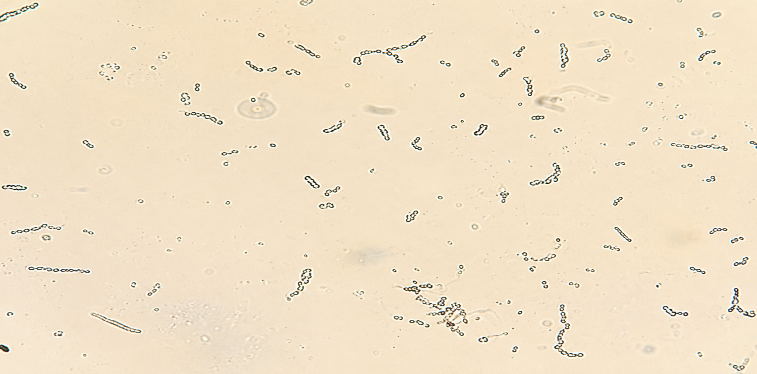
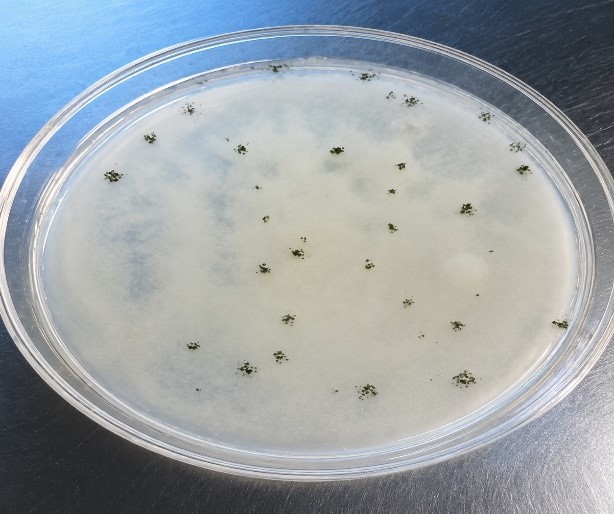
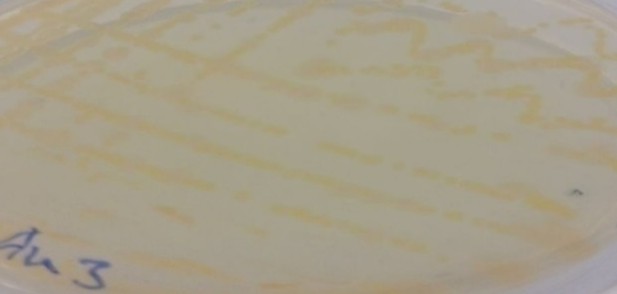
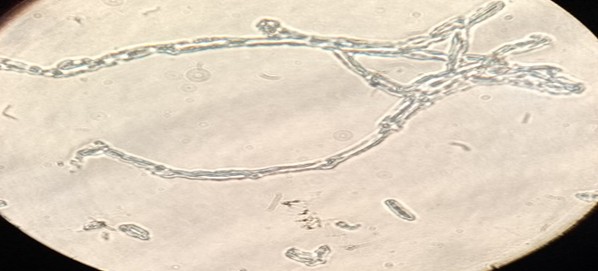
The cyanobacterial isolates exhibited diverse colony characteristics, with pigmentation ranging from white and yellowish cream to yellowish orange. Yellowish cream colonies were the most common, while most isolates formed smooth, circular colonies with convex or raised elevations and predominantly entire margins. Irregular colony shapes were observed in Br1, Kt4, and Tj8, whereas Gt10 displayed an undulate margin. These morphological characteristics agree with previous descriptions of cyanobacteria by (Khare et al. 2014; Temam and Alemayehu 2017; Rosemary, Gloria, and Cecilia 2013), confirming the diversity of the isolates. Biochemical characterization also revealed considerable phenotypic diversity. Four isolates were Gram-negative and five were Gram-positive, while all isolates tested positive for catalase and oxidase activities. Citrate utilization and motility varied among the isolates, indicating physiological differences that may influence their adaptation and biofertilizer potential. Similar variability has been reported by (Pervin et al. 2017). Overall, the combined morphological and biochemical characteristics confirmed the diversity of the selected cyanobacterial isolates (Table 1).
| Characteristics | Gt10 | Br1 | Kt6 | Kt4 | Hr2 | Tj8 | Gt12 | An5 | Ab5 |
|---|---|---|---|---|---|---|---|---|---|
| Morphological Characteristics | |||||||||
| Gram | − | − | − | + | + | + | + | − | + |
| Color | Yellowish cream | White | White | Yellowish cream | Yellowish cream | Yellowish cream | White | Yellowish orange | Yellowish cream |
| Colony Shape | Smooth circular | Irregular shaped | Smooth circular | Irregular circular | Smooth circular | Irregular circular | Smooth circular | Smooth circular | Smooth circular |
| Elevation | Convex | Convex | Convex | Raised | Umbonate | Convex | Raised | Convex | Umbonate |
| Margin | Undulate | Entire | Entire | Entire | Entire | Entire | Entire | Entire | Entire |
| Biochemical Characteristics | |||||||||
| Oxidase | + | + | + | + | + | + | + | + | + |
| Catalase | + | + | + | + | + | + | + | + | + |
| Citrate | − | − | + | + | + | + | − | + | + |
| Motility | + | + | + | − | + | + | − | + | − |
3.1 Screening of nitrogen-fixing and phosphate-solubilizing cyanobacteria
Nitrogen and phosphorus are essential nutrients for plant growth and development. Cyanobacteria capable of nitrogen fixation and phosphate solubilization enhance plant growth by increasing the availability of these nutrients in the soil (Hameeda et al. 2008). Nitrogen-fixing cyanobacteria convert atmospheric nitrogen (N₂), which plants cannot directly utilize, into ammonia (NH₃) through biological nitrogen fixation, making it available for plant growth and protein synthesis. Similarly, although phosphorus is abundant in soils, much of it exists in insoluble forms that are unavailable to plants (Shrivastava, Srivastava, and D’Souza 2018). Phosphate-solubilizing cyanobacteria convert these insoluble phosphorus compounds into soluble forms, thereby improving phosphorus availability and uptake by plants (Rawat et al. 2021).
| SL. No. | Isolate Code | N₂ Fixation Activity | P Solubilizing Activity |
|---|---|---|---|
| 1 | Gt10 | +++ | ++ |
| 2 | Br1 | + | ++ |
| 3 | An5 | + | + |
| 4 | Kt6 | ++ | + |
| 5 | Kt4 | + | ++ |
| 6 | Tj8 | +++ | ++ |
| 7 | Gt12 | ++ | ++ |
| 8 | Hr2 | ++ | ++ |
| 9 | Ab5 | ++ | + |
In the present study, all nine selected cyanobacterial isolates (Table 2) grew on nitrogen-free BG-11 medium, indicating their nitrogen-fixing potential. Single colonies were subsequently restreaked onto fresh Jensen’s nitrogen-free medium to confirm their ability for biological nitrogen fixation. Similar observations have been reported by (Shalaby et al. 2023), who demonstrated that growth on nitrogen-free medium is an indicator of nitrogen-fixing capability. Likewise, (Bao et al. 2021) described cyanobacteria as photoautotrophic microorganisms with strong atmospheric nitrogen-fixing potential and wide application as nitrogen biofertilizers.
All nine isolates also grew on nitrogen-free growth medium (NFGM) containing Bromothymol Blue (BTB), changing the medium color from green to blue after 7 days of incubation at 28°C (Figure 5;Figure 6). The color change of the NFb medium from green to blue indicated the growth and nitrogen-fixing activity of the cyanobacterial isolates. This color change is attributed to the presence of bromothymol blue (BTB), a pH indicator that changes from green at neutral pH (approximately 7.0) to blue under alkaline conditions (pH ≥ 7.6). Similar observations were reported by (Górka et al. 2018), who demonstrated that ammonia production by nitrogen-fixing microorganisms increases the alkalinity of the medium, resulting in the characteristic blue coloration.
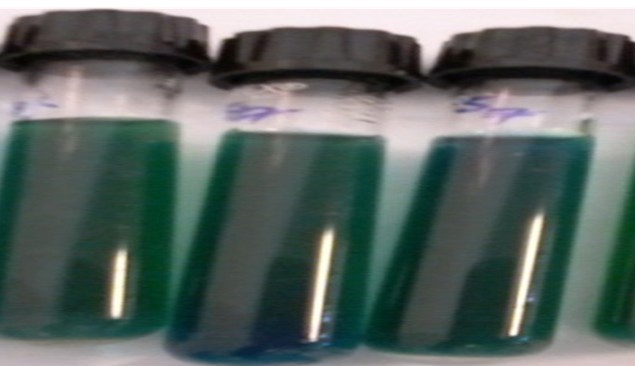

Phosphate-solubilization potential is one of the major characteristics contributing to plant growth promotion. In the present study, nine screened cyanobacterial isolates demonstrated the ability to solubilize phosphate on Pikovskaya’s solid agar medium (Figure 7). Similar methods were employed by (Rajawat et al. 2019; Feng et al. 2020) to screen phosphate-solubilizing cyanobacteria from rhizosphere soils using Pikovskaya’s agar medium.
The nine cyanobacterial isolates were identified as phosphate solubilizers primarily based on the formation of clear halo zones around the colonies on Pikovskaya’s agar medium, indicating their ability to solubilize insoluble phosphate compounds.
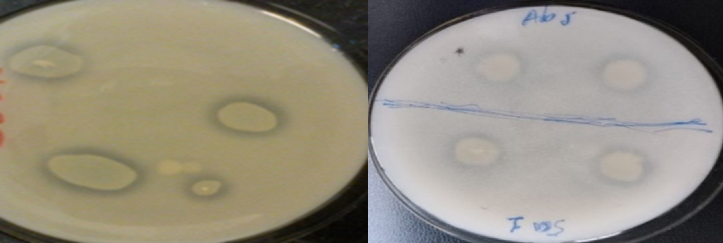
Of the nine tricalcium phosphate-solubilizing cyanobacteria, a larger clear zone was recorded in isolate Tj8, which was followed by Gt10, Hr2, Br1, Gt12, An5, Kt4, Kt6, and Ab5, respectively. The maximum percentage of P solubilization or clear zone was observed in cyanobacterial isolate Tj8, whereas the minimum clear zone formation was observed in isolate Ab5 on PVK component solid medium.
| SN | Isolate | IHZ (mm) | PSI |
|---|---|---|---|
| 1 | Hr-2 | 11.67 ± 0.47 | 2.02 ± 0.42 |
| 2 | Tj-8 | 13.27 ± 2.31 | 2.68 ± 0.07 |
| 3 | Gt-12 | 10.78 ± 3.39 | 2.07 ± 0.29 |
| 4 | Kt-4 | 8.72 ± 0.52 | 1.77 ± 0.65 |
| 5 | Kt-6 | 7.44 ± 0.97 | 1.59 ± 1.09 |
| 6 | Br-1 | 11.07 ± 9.05 | 2.42 ± 0.92 |
| 7 | Gt-10 | 12.09 ± 2.45 | 2.46 ± 4.43 |
| 8 | Ab-5 | 6.92 ± 1.39 | 1.75 ± 2.37 |
| 9 | An-5 | 10.49 ± 7.11 | 2.04 ± 2.15 |
Various cyanobacteria show clear zone in PVK solid agar medium as it was reported by (Nautiyal et al. 2000), however in this study the difference in clear zone among cyanobacteria isolates might be due to the qualitative difference of individual isolates and their phosphate solubilization potential. This finding is in line with (Arcand and Schneider 2006) who reported that variation of the value of the p-solubilization test, based on clear zone index was occurred because of the ability of cyanobacteria to produce organic acids such as citric, malic, oxalate and acetate that serves as catalysts, chelating and p absorbent agent.
In addition to the above findings, (Krishnaveni 2010) also confirmed that phosphate solubilization potential of microorganisms varies due to the ability of microbes to produce extracellular enzymes like phosphatases along with organic acids for phosphate solubilization. Supporting the above idea, various research findings suggest that gluconic acid and alpha-ketogluconic acid are major organic acids responsible for tricalcium phosphate solubilization due to its pH decrement and H+ ion excretion to ammonia assimilation (Nelofer et al. 2016).
3.2 Siderophore Production by Cyanobacteria Isolates
The results presented in the Table 4 indicated that siderophore production varied among the cyanobacteria isolates. Out of the nine isolates tested, eight showed positive (+) siderophore production, while one isolate (Kt4) was negative (−). The largest siderophore production zone was observed in isolate Tj8 (0.93 mm), indicating the highest siderophore-producing ability among the isolates. This was followed by Gt12 (0.71 mm) and Gt10 (0.64 mm). Moderate siderophore production was recorded in Br1 (0.61 mm), Hr2 (0.50 mm), and Ab5 (0.50 mm), whereas An5 (0.40 mm) and Kt6 (0.30 mm) exhibited relatively lower production. These findings suggest that most of the cyanobacterial isolates possess the ability to produce siderophores, although the level of production differs among isolates. Siderophore produced by cyanobacteria with plant growth-promoting (PGP) properties play an important role in enhancing iron (Fe) availability in cereal crops, improving soil fertility, promoting crop growth, and maintaining plant health (Khalid et al. 2015). Furthermore, inoculation of crop plants with cyanobacteria strains possessing plant growth-promoting cyanobacteria traits has been reported to enhance both crop quality and yield (M. Kumar et al. 2013).
| Isolate | Siderophore Production | Zone Size (mm) |
|---|---|---|
| Gt12 | + | 0.71 |
| Gt10 | + | 0.64 |
| Tj8 | + | 0.93 |
| Br1 | + | 0.61 |
| Hr2 | + | 0.50 |
| Kt6 | + | 0.30 |
| Kt4 | − | – |
| Ab5 | + | 0.50 |
| An5 | + | 0.40 |
The variation in siderophore production among cyanobacteria is primarily associated with fluctuations in environmental iron availability and other abiotic stress factors, which enable these organisms to adapt their iron acquisition strategies. Although iron deficiency generally enhances siderophore production, the quantity produced varies depending on several factors, including strain-specific genetic differences, nutrient availability (particularly nitrogen), and environmental pH conditions (Dimpka 2016).
3.3 Effect of cyanobacteria extracts on maize seed germination
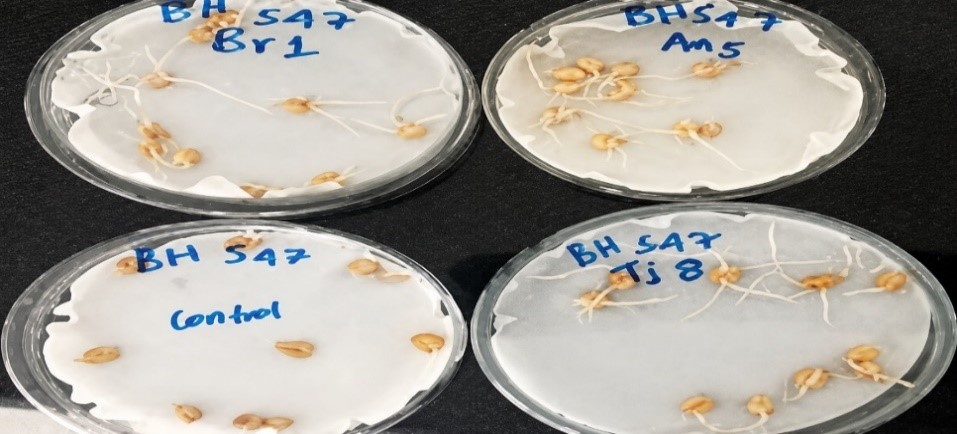
Table 5 shows the effects of nine cyanobacterial isolates on the germination of two maize varieties (BH546 and BH547) at 7 days after sowing (DAS). Seed inoculation significantly increased germination compared with the uninoculated control. Isolate Tj8 produced the highest germination percentages, with mean values of 86.7% for BH546 and 83.3% for BH547. Isolates Br1 and Gt12 also significantly improved germination, each with an overall mean of 73.3%, while Gt10 showed relatively high germination, particularly in BH546. In contrast, Kt4 showed no improvement over the control, and Ab5 reduced germination in BH547. These results identify Tj8, Br1, Gt12, and Gt10 as the most promising isolates for enhancing maize seed germination.
The improved germination is likely due to the production of plant growth-promoting substances, particularly phytohormones such as indole-3-acetic acid (IAA) and cytokinins, which stimulate cell division, embryo development, and germination (Jaiswal 2018; Toribio 2020). Enhanced water uptake, activation of hydrolytic enzymes, and efficient mobilization of seed reserves may have further contributed to improved germination and early seedling vigor (Bewley et al. 2013; Nonogaki, Bassel, and Bewley 2010). The superior performance of Tj8, together with the strong performance of Gt10, suggests that these isolates possess greater plant growth-promoting potential..
| S. No. | Isolate | BH546 Mean (%) | BH547 Mean (%) | Overall Mean (%) |
|---|---|---|---|---|
| 1 | Gt10 | 83.3a | 53.3b | 68.3 |
| 2 | Br1 | 70.0b | 76.7a | 73.3 |
| 3 | Kt6 | 53.3c | 56.7b | 55.0 |
| 4 | Kt4 | 46.7c | 43.3c | 45.0 |
| 5 | Hr2 | 56.7b | 50.0b | 53.3 |
| 6 | Tj8 | 86.7a | 83.3a | 85.0 |
| 7 | Gt12 | 66.7b | 80.0a | 73.3 |
| 8 | An5 | 63.3b | 56.7b | 60.0 |
| 9 | Ab5 | 63.3b | 36.7c | 50.0* |
| 10 | Control | 46.7c | 43.3c | 45.0 |
The superscript letters indicate significant differences among treatments within each maize variety at \(p \leq 0.05\). Treatments sharing the same letter are not significantly different, whereas treatments with different letters differ significantly.
3.4 Percentage germination of maize varieties treated with different isolate combinations
Statistical analysis revealed that all cyanobacteria isolate combinations significantly increased seed germination compared with the un inoculated control (\(p \leq 0.05\)). However, no significant differences were observed among the inoculated treatments, as all isolate combinations produced consistently high and comparable germination percentages (Table 6). Overall, the inoculated treatments resulted in uniformly high seed germination, ranging from 90% to 100%, whereas the control treatment exhibited considerably lower germination percentages.
For the BH546 maize variety, the highest germination percentage (100%) was recorded in seeds inoculated with the Gt12 + Tj8 combination. The Gt10 + Gt12 and Tj8 + Gt10 combinations also produced high germination percentages of 93.3% each. In contrast, the un inoculated control recorded the lowest germination percentage (53.3%).
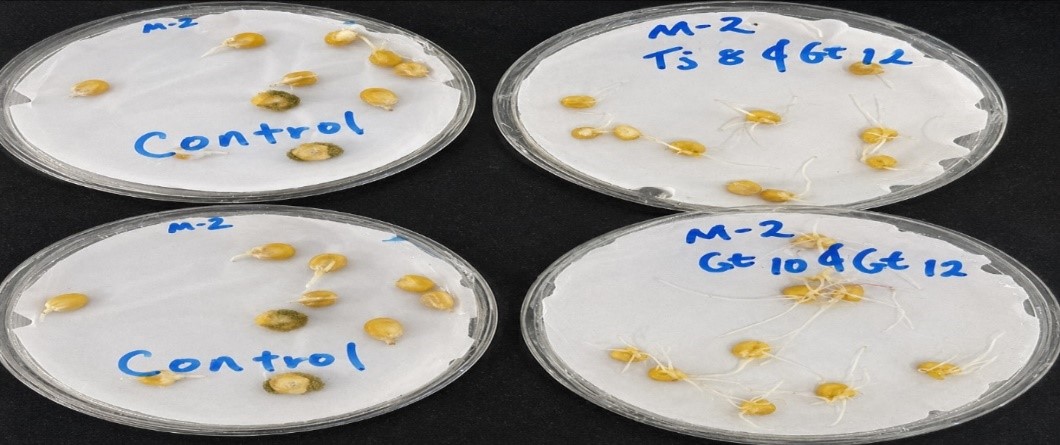
Similarly, for the BH547 maize variety, all cyanobacteria isolate combinations resulted in high germination percentages (93.3%), whereas the un inoculated control exhibited only 50.0% germination. The absence of significant differences among the inoculated treatments suggest that each isolate combination was equally effective in promoting seed germination. This improvemnet may be attributed to the e ability of cyanobacteria to synthesize a range of endogenous phytohormones, including cytokinins (free bases, ribosides, and monophosphates) and auxins such as indole-3-acetic acid (IAA) and its amino acid conjugates. These phytohormones stimulate physiological and biochemical processes involved in seed germination, thereby promoting faster and more uniform germination (Žı́žková et al. 2017).
The enhanced germination of inoculated seeds may be attributed to the production of plant growth-promoting substances, improved nutrient mobilization, and suppression of pathogenic microorganisms by the cyanobacterial isolates (Osman et al. 2010). These findings agree with those of (Manickam et al. 2017), who reported that cyanobacterial consortia promoted earlier germination in maize, wheat, and sorghum, and (Gahlout et al. 2017), who demonstrated that cyanobacterial consortia significantly improved the germination of wheat and mung bean seeds.
| SL. No. | Isolate Consortia | BH546 Mean (%) | BH547 Mean (%) | Overall Mean (%) |
|---|---|---|---|---|
| 1 | Gt12 + Gt10 | 93.3a | 93.3a | 93.3a |
| 2 | Gt12 + Tj8 | 100.0a | 93.3a | 96.7a |
| 3 | Tj8 + Gt10 | 93.3a | 93.3a | 93.3a |
| 4 | Control | 53.3b | 50.0b | 51.7b |
4 Discussion
The present study demonstrated the diversity and plant growth-promoting potential of cyanobacteria isolated from maize rhizosphere soils. Amoung the 132 isolates obtained, 26 exhibited nitrogen-fixing ability, while nine possessed both nitrogen-fixing and phosphate-solubilizing activities, highlighting their potential as biofertilizers for sustainable maize production. Similar studies have shown that cyanobacterial inoculation enhances maize germination, growth, biomass, and yield (Moorthy and Malliga 2012; Santini et al. 2021).
All selected isolates grew on nitrogen-free medium and induced a color change in Bromothymol Blue (BTB) medium, confirming their nitrogen-fixing ability, consistent with (Baldani et al. 2014). The predominance of Nostoc, Anabaena, and Oscillatoria suggests that these genera are well adapted to the maize rhizosphere and contribute to soil fertility. All nine isolates also solubilized phosphate, with isolate Tj8 exhibiting the highest phosphate-solubilization index, in agreement with the findings of (Jena and Chandi 2013). Most isolates produced siderophores, indicating an additional mechanism for promoting plant growth through improved iron acquisition (Årstøl and Hohmann-Marriott 2019).
Seed germination assays further confirmed the beneficial effects of cyanobacterial inoculation. Isolate Tj8 showed the highest individual germination performance, while selected consortia achieved up to 100% germination, likely due to enhanced nutrient availability and the production of plant growth-promoting substances such as auxins (Górka et al. 2018; Kholssi et al. 2022). Overall, isolates Tj8, Gt10, Gt12, and Br1 exhibited the greatest biofertilizer potential. These promising isolates should be further evaluated under greenhouse and field conditions to validate their effectiveness and suitability for sustainable maize production.
5 Conclusion
The present study demonstrated that cyanobacteria isolated from maize rhizosphere soils possess important plant growth promoting characteristics, including nitrogen fixation, phosphate solubilization, and siderophore production. The selected isolates significantly improved seed germination of maize varieties BH546 and BH547 compared with the untreated control. Among the isolates, Tj8, Gt12, and Gt10 showed superior performance both individually and in consortia. The findings indicate that these cyanobacterial isolates have strong potential to be developed as eco friendly and sustainable biofertilizers, reducing dependence on chemical fertilizers and supporting improved maize production.
Artificial intelligence (AI) tools were used solely for grammatical correction and language improvement. The authors reviewed and verified all content and take full responsibility for the accuracy and integrity of the manuscript.
References
Publication Information
- Submitted: 08 June 2026
- Accepted: 12 July 2026
- Published (Online): 19 July 2026
Reviewer Information
Reviewer 1:
Dr.Resmi A R
Assistant Professor
Kerala Agricultural UniversityReviewer 2:
Anonymous
The statements, opinions and data contained in all publications are solely those of the individual author(s) and contributor(s) and not of the publisher and/or the editor(s).
The publisher and/or the editor(s) disclaim responsibility for any injury to people or property resulting from any ideas, methods, instructions or products referred to in the content.
© Copyright (2025): Author(s). The licensee is the journal publisher. This is an Open Access article distributed under the terms of the Creative Commons Attribution-NonCommercial-NoDerivatives 4.0 International License, which permits non-commercial use, sharing, and reproduction in any medium, provided the original work is properly cited and no modifications or adaptations are made.
Footnotes
Positive test (+); negative test (−).↩︎
highly N-fixation and P- solubilization potential (+++), moderate (++) N-fixation and P- solubilization potential, Less (+) N-fixation and P- solubilization potential↩︎
PSI phosphate solubilizing index, IHZ; inhibition halo zone↩︎
positive (+), negative (-) for siderophore production↩︎